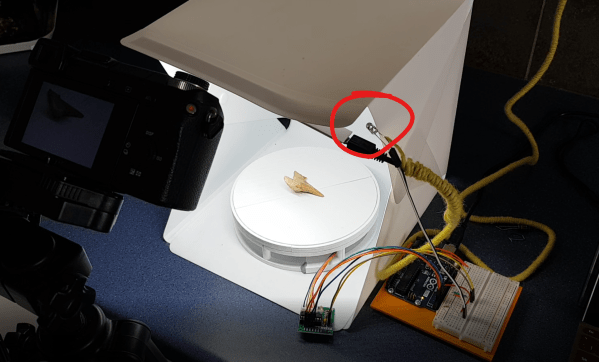
I've detailed my Arduino photogrammetry setup, first here when it just used my phone, then here when I cludged together a physical trigger in the form of a servo motor. That worked really well, and I've made a bunch of models with it that have come out absolutely superb. However, to get the servo motor... Continue Reading →
Moving from Endnote to Zotero
A running theme of this blog (and my work in general) is in using freely available software when I can. There's multiple reasons for this; the main and most obvious being saving money. But there are other reasons too - losing access when changing institutions (or when licensing changes and something becomes unaffordable) is a... Continue Reading →
Transferring textures from two halves to a whole (using Maya)
Retexturing from two seperate scans using Maya.
Transferring textures from two halves to a whole (using Blender)
Using a scan in two halves to re-project a texture onto a new mesh, using Blender.
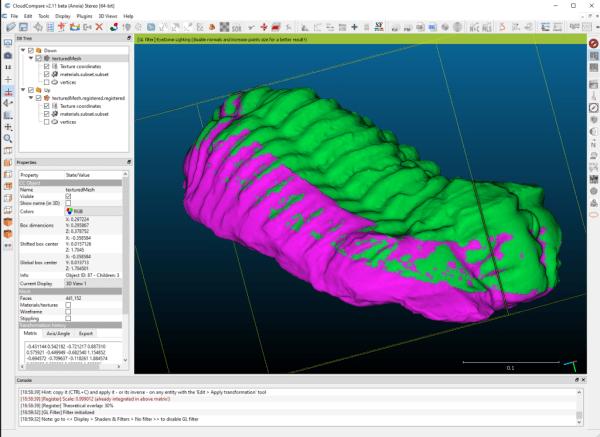
Aligning and merging two halves of a scan: CloudCompare
This post will show you how to align a scan in two or more parts using CloudCompare. Or there's a video tutorial. Ideally, when you scan an object with laser scanning or photogrammetry, you want to get the whole thing in one go. With photogrammetry, that might involve what I've seen called the 'void' method... Continue Reading →
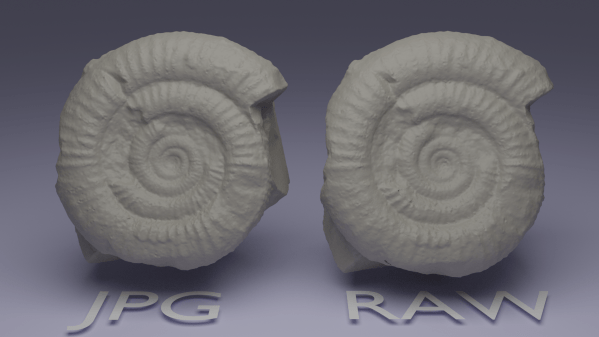
Photogrammetry: Does shooting RAW or JPG make a difference?
This is one of those questions that I see cropping up regularly in discussions online and off; Should I shoot and process RAW photos, or will I get the same results with out-of-camera JPGs? There is absolutely a school of thought among photogrammetry practitioners that everything should be absolutely top-quality: Prime lenses, shooting in RAW,... Continue Reading →
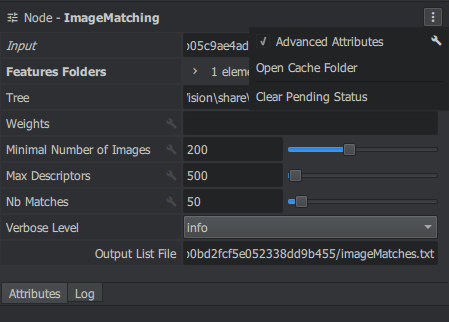
Alicevision Meshroom 2019.2.0 – best settings (that I use)
I covered Meshroom back when it was version 2018. Shortly after, I wrote about trying out all the settings. It's been over a year and half since then, and in that time Meshroom has become my default photogrammetry software. I've got into a habit with changing the default graph, so wanted to share the settings... Continue Reading →
Photogrammetry testing: Regard 3D
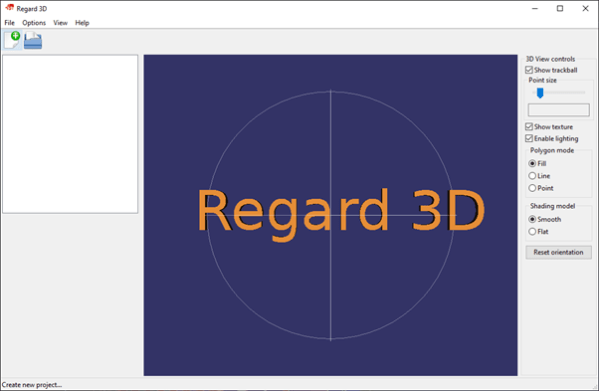
You can find links to all my other tests/guides here. Regard 3D has been around for a while now. I included it in my 2017 photogrammetry roundup, and version 1.0.0 was released in march 2019, but I’ve never actually run through it on my blog, so here goes. Regard 3D uses openMVG as the backend... Continue Reading →
Photogrammetry testing: OpenDroneMap
Testing WebODM - OpenDroneMap photogrammetry software.
Creating a flexible height ramp shader for blender
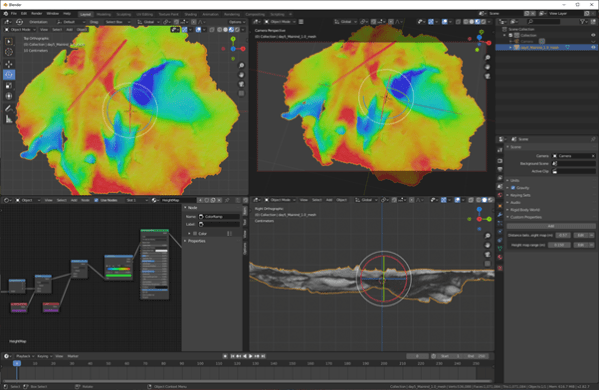
A custom shader in blender for quickly applying height maps to fossil tracks.