I've been using Windows Hello face unlock on my desktop for years, and it's one of those things you don't realise how much you rely on until it's gone. You sit down at the machine, look at the camera, and you're in. No faffing about with passwords, no keyboard mashing while half-asleep. It just works.... Continue Reading →
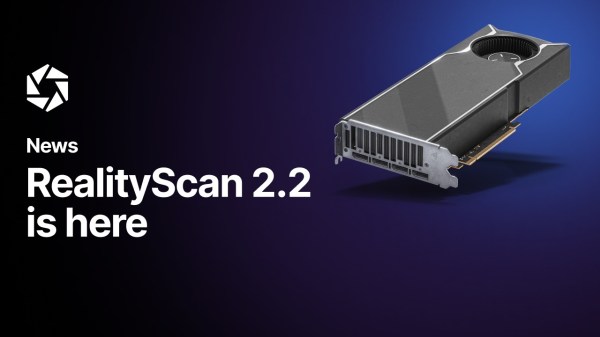
RealityScan 2.2 finally brings AMD GPU support (to Windows)
Epic have just released RealityScan 2.2, and the headline feature is one that's been on people's wishlists for a long time: full AMD GPU support on Windows. For years, photogrammetry has been effectively CUDA-only. Most serious reconstruction software -- Metashape, Colmap with GPU acceleration, the lot -- all lean heavily on NVIDIA's CUDA ecosystem. That... Continue Reading →
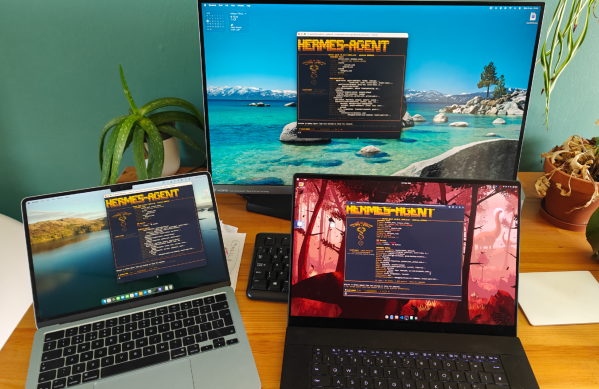
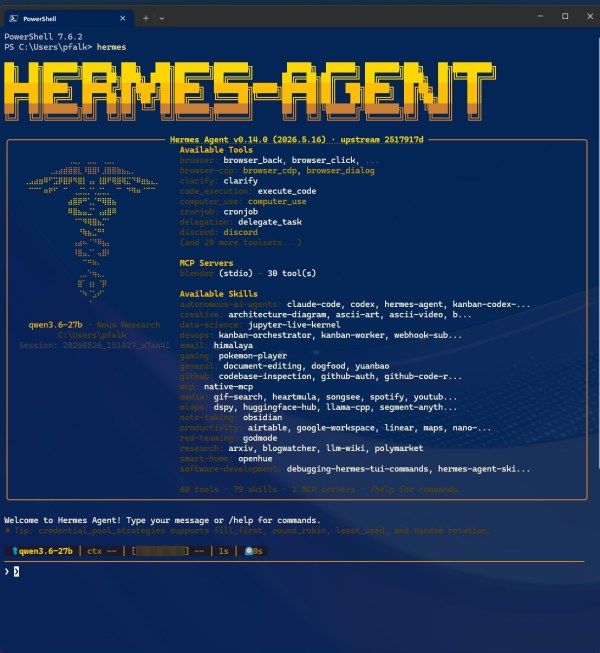
Running Hermes Across Multiple Computers, keeping memory and soul synced with kDrive
I've been running Hermes Agent — an open-source AI agent framework by Nous Research — for a few weeks now, and I'm genuinely impressed with it. If you haven't seen what it's been doing for me, I wrote about that recently. What I haven't mentioned is that I've got it running on four machines simultaneously,... Continue Reading →
The Local AI Treadmill – everything I’ve built will be obsolete in weeks
I've been writing posts here about getting set up with local AI, agents, harnesses, and what I've done with them. It's fun, and it stretches my computer legs in a way they haven't been stretched recently. But I can't shake this nagging feeling that it's all a colossal waste of time, because everything's moving so... Continue Reading →
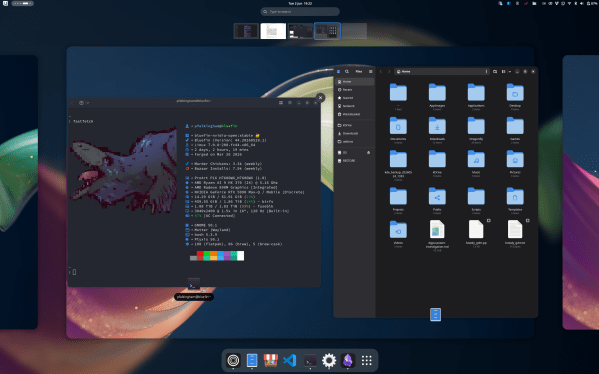
My Linux Journey Is Nearly Complete (But There Are Still A Few Rough Edges)
I've been running Linux as my primary desktop for a while now — specifically Bluefin (the immutable Fedora-based distro with dinosaurs) on an ASUS ProArt P16 laptop with an RTX 5090 Mobile and AMD HX 370 processor. The migration from Windows is basically done, but there are still a few edge cases that remind me... Continue Reading →
Building My Personal AI Research Assistant: What I’ve Done So Far
I've been spending the last few weeks setting up Hermes Agent as a personal research assistant, and it's gone from "chatbot I talk to on Telegram" to "actually useful thing that does stuff" pretty quickly. Thought it was worth documenting what we've achieved so far, because some of it's genuinely useful and I suspect other... Continue Reading →
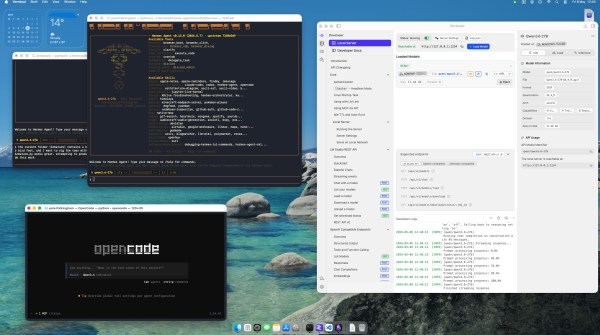
Getting Local AI Working for Me: LM Studio, OpenCode, and Hermes
I've been using Copilot in VS Code for a while now, and it's genuinely useful for the kind of small scripts I write regularly – visualising DEM output in Blender, sorting through CT scan data, that sort of thing. With an education account I get access to the top-end models, which is brilliant. But there... Continue Reading →
Leaving OneDrive, moving to kDrive
I've long been heavily embedded in the Microsoft ecosystem, and a big part of that has been having my personal (and work) data held by OneDrive. Last month I finally took the plunge and moved 700GB of personal data over to Infomaniak's kDrive, and so far everything has been great. OneDrive's placholders in particular have... Continue Reading →
Office 365 and Linux – trying to use Linux when your organization is all in and locked down with Microsoft
The problem - my employer is all in on Microsoft 365. They have flipped the admin switches that mean email can only be checked via Outlook (or Apple Mail, because executives like Apple, I assume). Meetings, data etc are all managed via Teams, and there's a tight integration between teams and Outlook. Data are stored... Continue Reading →
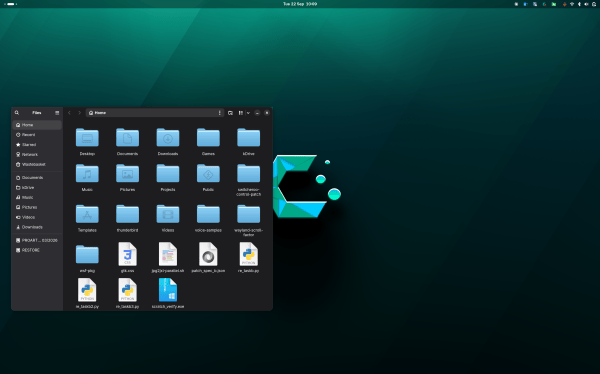
Linux 2: Even nearlier there… Moving to CachyOS, squashing bugs, and living the Linux life.
My last post was about trying out Bazzite. I'd installed it to an external SSD and gave it a good go for a few days as my main OS. It was a bit of a faff, needing to carry around the SSD with the laptop when I moved about, so I finally put on my... Continue Reading →