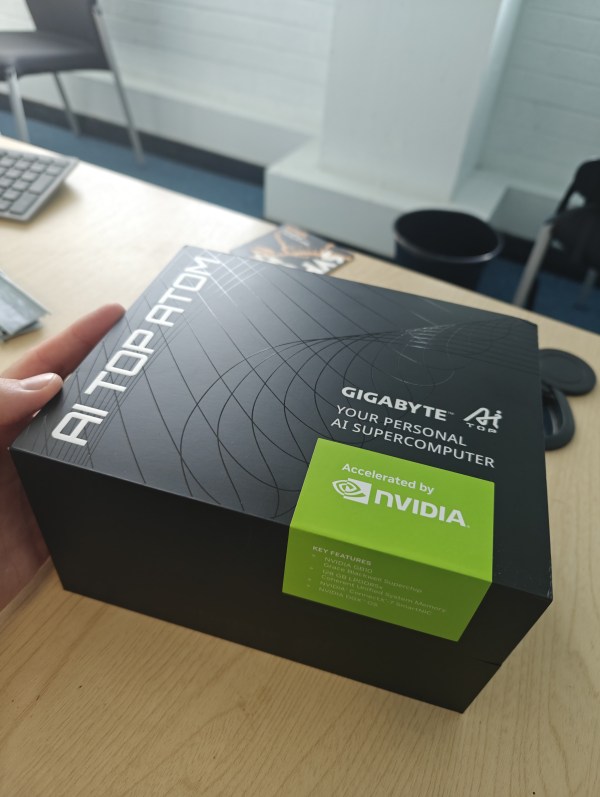
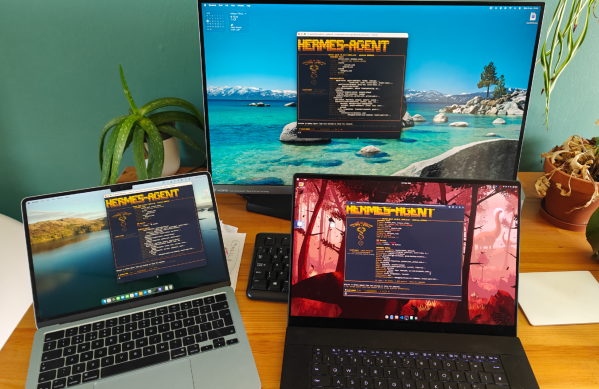
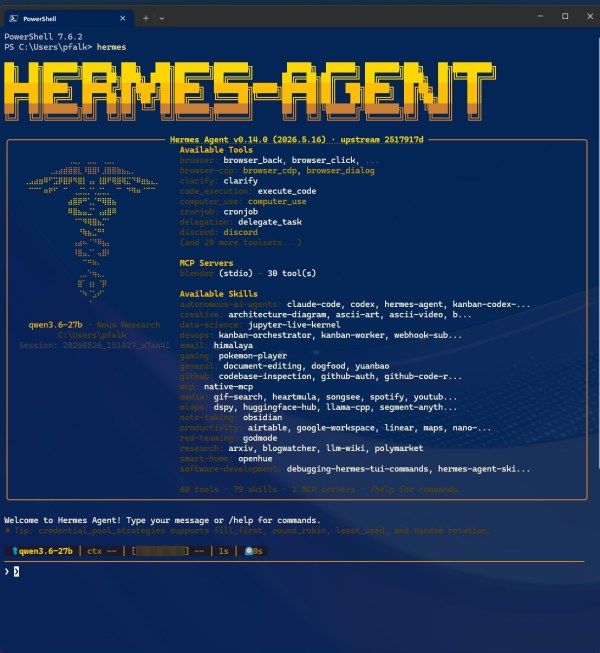
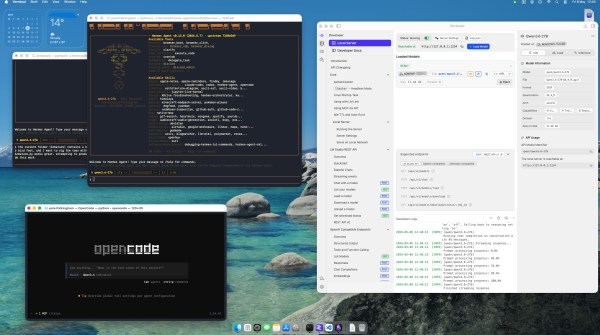
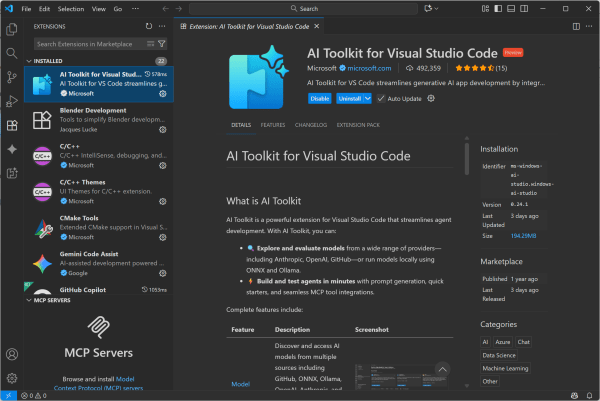
I've been using Copilot in VS Code for a while now, and it's genuinely useful for the kind of small scripts I write regularly – visualising DEM output in Blender, sorting through CT scan data, that sort of thing. With an education account I get access to the top-end models, which is brilliant. But there... Continue Reading →
Leaving OneDrive, moving to kDrive
I've long been heavily embedded in the Microsoft ecosystem, and a big part of that has been having my personal (and work) data held by OneDrive. Last month I finally took the plunge and moved 700GB of personal data over to Infomaniak's kDrive, and so far everything has been great. OneDrive's placholders in particular have... Continue Reading →
Office 365 and Linux – trying to use Linux when your organization is all in and locked down with Microsoft
The problem - my employer is all in on Microsoft 365. They have flipped the admin switches that mean email can only be checked via Outlook (or Apple Mail, because executives like Apple, I assume). Meetings, data etc are all managed via Teams, and there's a tight integration between teams and Outlook. Data are stored... Continue Reading →
Using local AI/LLM in VS Code without third party software, on the CPU, GPU or NPU
I've found VC Code copilot to be invaluable in writing small scripts and the like for, say, visualizing my DEM output in Blender. Just a super way of speeding up tool-building in scenarios where you can immediately tell if it's worked or not. With an education account, you get access to all kinds of top-end... Continue Reading →
A.I. (well, machine learning) and Dinosaur tracks
It's a while since I've posted about new papers, so I'm going to have a series of posts catching up on 2022's papers. First up is Jens Lallensack's cool paper in Interface about using AI and machine learning to distinguish between theropod and ornithopod tracks. For those unfamiliar, ornithopod tracks and theropod tracks are both... Continue Reading →