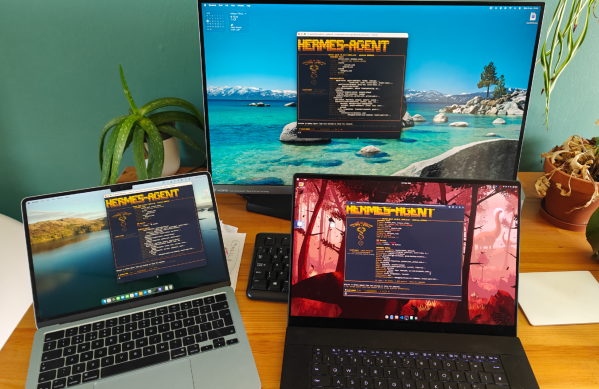
I've been running Hermes Agent — an open-source AI agent framework by Nous Research — for a few weeks now, and I'm genuinely impressed with it. If you haven't seen what it's been doing for me, I wrote about that recently. What I haven't mentioned is that I've got it running on four machines simultaneously,... Continue Reading →
Podcast Episode: Local AI Tools And Workflows (summarising recent posts
Oh dear. Found this option in wordpress experimental features. Gave it a try. Is this useful to anyone? It weirds me out a bit. Anyway, transcript below: Pip: Prof. Peter Falkingham has been doing what academics do best: turning a simple question into a multi-week infrastructure project, then writing about it thoughtfully enough that you're... Continue Reading →
The Local AI Treadmill – everything I’ve built will be obsolete in weeks
I've been writing posts here about getting set up with local AI, agents, harnesses, and what I've done with them. It's fun, and it stretches my computer legs in a way they haven't been stretched recently. But I can't shake this nagging feeling that it's all a colossal waste of time, because everything's moving so... Continue Reading →
Office 365 and Linux – trying to use Linux when your organization is all in and locked down with Microsoft
The problem - my employer is all in on Microsoft 365. They have flipped the admin switches that mean email can only be checked via Outlook (or Apple Mail, because executives like Apple, I assume). Meetings, data etc are all managed via Teams, and there's a tight integration between teams and Outlook. Data are stored... Continue Reading →
Using local AI/LLM in VS Code without third party software, on the CPU, GPU or NPU
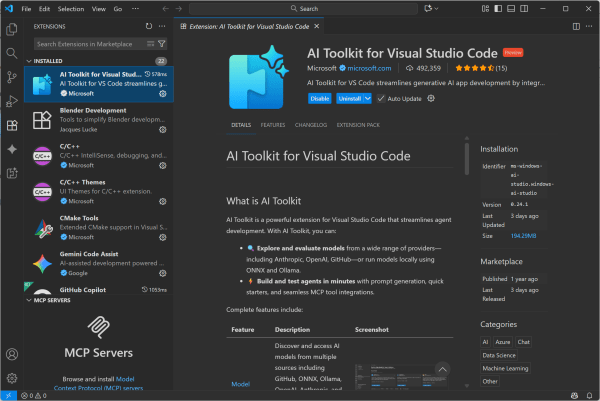
[note May '26 - this post is a bit out of date now. By far the easiest way forward is to install LM studio and run your models there. Hook them up to VS code with the 'Continue' add on, or install opencode, as I've detailed in this post.] I've found VC Code copilot to... Continue Reading →