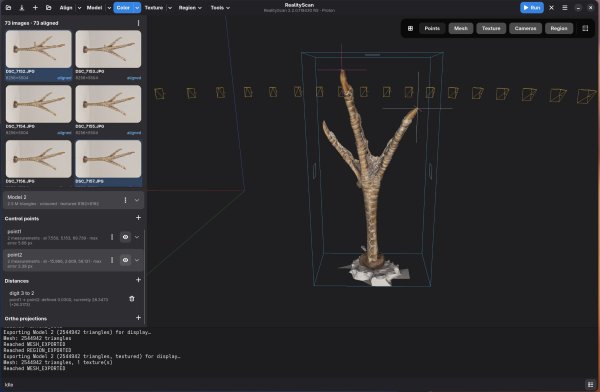
RealityScan's Linux build is CLI-only and the Wine-wrapped GUI barely works, so I wrote my own GTK4 front end in Rust. RealityScan does all the processing headless; my app provides the window. Claude did most of the typing.
Automating photogrammetry, again, this time with wires and a Nikon Z8
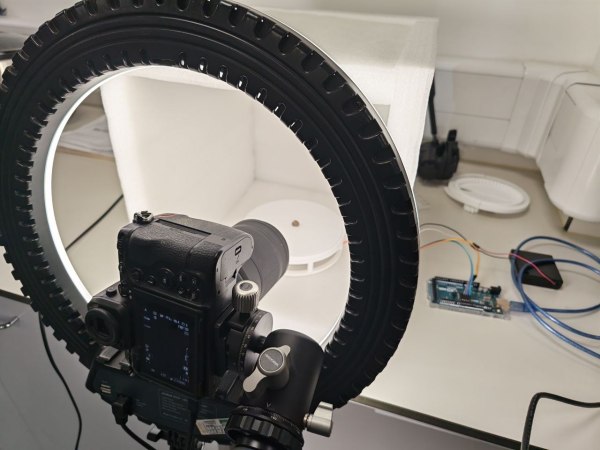
Six years after the Arduino-and-Android original, the rig runs a Nikon Z8. The Arduino now only drives the turntable; gphoto2 fires the camera and the NEFs come straight down the USB cable onto the PC.
[Academic Tech] Gigabyte AI Top (Nvidia DGX Spark) review
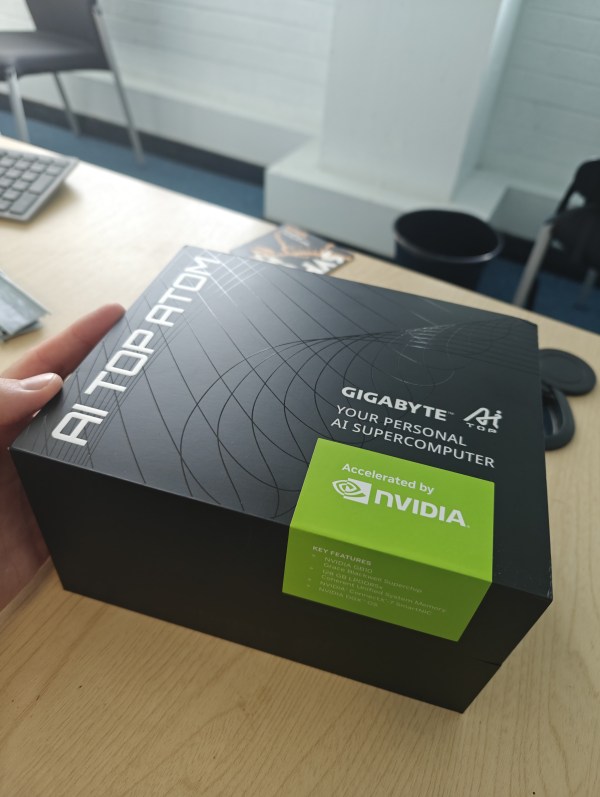
I've had Gigabyte's version of Nvidia's DGX Spark, the AI TOP ATOM, on my desk since July, and the two numbers that actually matter about it are 128 and 50: 128GB of unified memory, and roughly fifty watts at the wall while it processes. The box itself It's a lovely little box. Dark grey, 150mm... Continue Reading →
[Academic Tech] – The M5 MacBook Air review
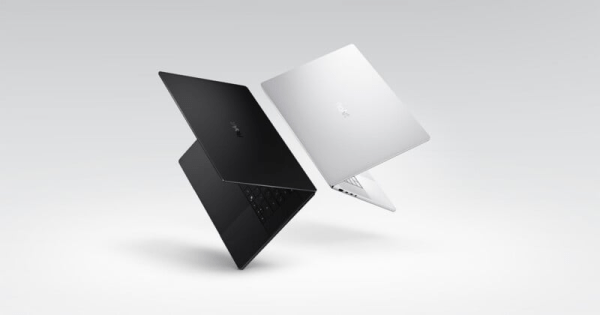
Ugh. It pains me to say it, but this is probably the best laptop in the world. And it's not even close. Shame about macOS, though. I've been lucky enough to be generously provided with a MacBook Air (thanks Beth!) primarily so XMALab gets compiled and built properly for macOS. It's the base model —... Continue Reading →
[Academic Tech] Asus ProArt P16 with RTX Spark announced: The laptop I’ve been waiting for – due Late 2026
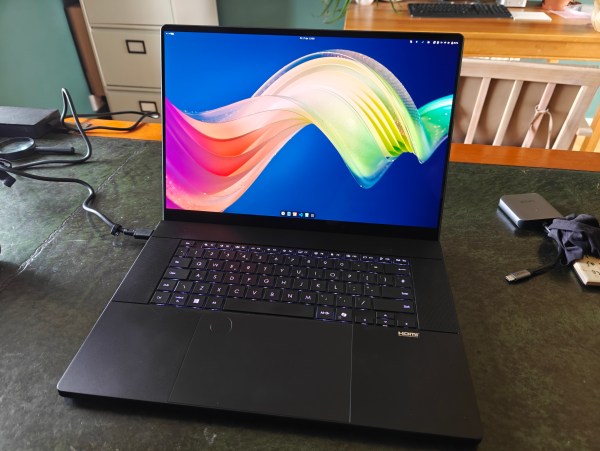
I've written about the Asus ProArt P16 before. Back in 2024, I reviewed the original AMD CoPilot+ version with the RTX 4070 -- a beautiful and powerful laptop that I genuinely loved. Then in 2025, I upgraded to the revised model with the RTX 5090 Mobile, tripling my VRAM from 8GB to 24GB and doubling... Continue Reading →
Building My Personal AI Research Assistant: What I’ve Done So Far
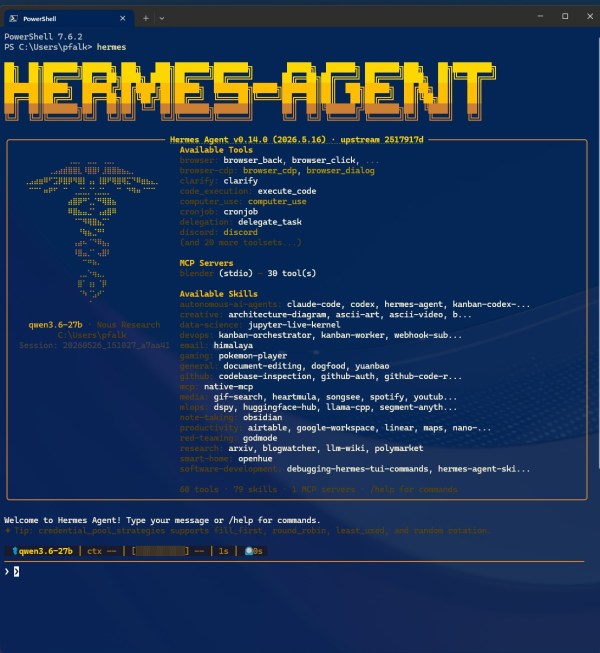
I've been spending the last few weeks setting up Hermes Agent as a personal research assistant, and it's gone from "chatbot I talk to on Telegram" to "actually useful thing that does stuff" pretty quickly. Thought it was worth documenting what we've achieved so far, because some of it's genuinely useful and I suspect other... Continue Reading →
Getting Local AI Working for Me: LM Studio, OpenCode, and Hermes
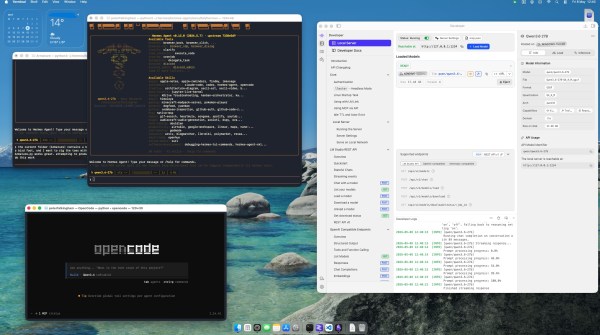
I've been using Copilot in VS Code for a while now, and it's genuinely useful for the kind of small scripts I write regularly – visualising DEM output in Blender, sorting through CT scan data, that sort of thing. With an education account I get access to the top-end models, which is brilliant. But there... Continue Reading →
[Academic Tech] 2025 Asus ProArt P16 with Nvidia 5090 (vs 2024’s 4070)
I really rather loved my Asus ProArt P16 with Nvidia 4070. A beautiful and powerful laptop. But I was bumping up against RAM limitations with some CT data; 32GB was proving limiting, as was the 8GB VRAM on the otherwise fine nvidia 4070 GPU. So I solved that by upgrading the the newer version of... Continue Reading →
Leaving OneDrive, moving to kDrive
I've long been heavily embedded in the Microsoft ecosystem, and a big part of that has been having my personal (and work) data held by OneDrive. Last month I finally took the plunge and moved 700GB of personal data over to Infomaniak's kDrive, and so far everything has been great. OneDrive's placholders in particular have... Continue Reading →
Office 365 and Linux – trying to use Linux when your organization is all in and locked down with Microsoft
The problem - my employer is all in on Microsoft 365. They have flipped the admin switches that mean email can only be checked via Outlook (or Apple Mail, because executives like Apple, I assume). Meetings, data etc are all managed via Teams, and there's a tight integration between teams and Outlook. Data are stored... Continue Reading →